Introduction
Navigating the globe of bowel treatment can be challenging, specifically for caregivers and healthcare specialists collaborating with individuals that have complicated requirements. As we look into the detailed information of bowel management, ostomy care, and training courses offered, it's essential to highlight the essential insights gained from an extensive complex bowel care training program. This short article will certainly give an in-depth introduction, rich in material and structured for easy navigation. By the end of this read, you will have a far better understanding of what complex bowel care involves and how reliable training can encourage caregivers to give exemplary support.
What is Complex Digestive tract Care?
Complex digestive tract care encompasses various approaches developed to take care of the varied difficulties dealt with by people with bowel problems or problems requiring ostomy monitoring. Whether taking care of irritable bowel disorder (IBS), inflammatory digestive tract condition (IBD), or post-operative people with stomas, understanding these complexities is important for efficient caregiving.

Understanding Bowel Disorders
bowel care trainingBowel conditions can dramatically impact an individual's quality of life. Conditions such as Crohn's condition or ulcerative colitis require customized care that goes beyond standard nursing practices. Via official training like the NDIS complex bowel care training programs, caretakers discover tailored strategies to enhance individual outcomes.
The Value of Stoma Care in Complicated Digestive Tract Management
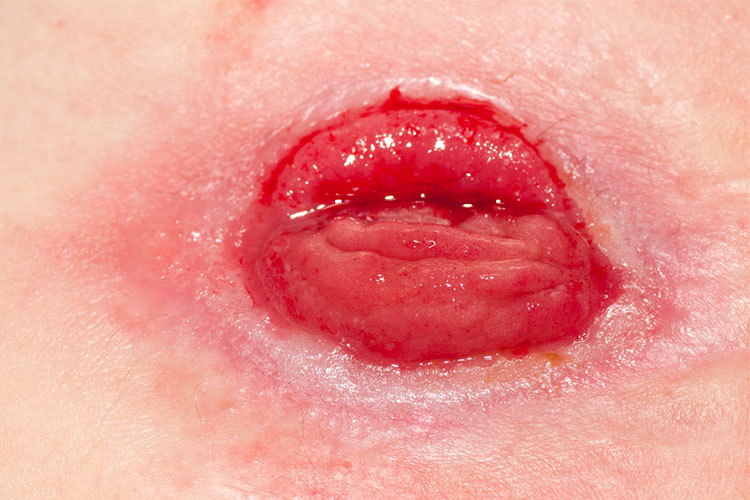
Stomas are surgical openings created during treatments like colectomies or ileostomies. Learning about stoma care is crucial for any individual involved in taking care of clients with ostomies. This training typically covers:
- Stoma Hygiene: Proper cleansing methods and skin protection. Monitoring Difficulties: Recognizing signs of infection or blockage. Emotional Assistance: Helping clients get used to their brand-new normal.
Key Takeaways from a Complex Bowel Care Training Course
Through specialized training courses, individuals get a number of crucial understandings that can change their technique to giving treatment:
Comprehensive Knowledge: Comprehending the anatomy and physiology related to bowel functions improves caregiving capabilities. Hands-On Skills: Practical training ensures that caregivers feel great in executing needed procedures. Patient-Centric Approaches: Highlighting communication and empathy promotes depend on in between caretaker and patient. Problem-Solving Techniques: Discovering how to resolve difficulties proactively boosts patient outcomes. Resource Accessibility: Familiarization with readily available devices and resources can help in efficient management.Why Go after NDIS Complex Bowel Care Training?
The NDIS (National Handicap Insurance coverage Scheme) uses specific guidelines for taking care of complicated health needs among people with specials needs. Signing up in NDIS complex bowel care training furnishes caretakers with vital skills while adhering to nationwide standards.
Course Goals and Outcomes
The primary goals of such training include:
- Enhancing sensible skills for effective digestive tract management. Improving understanding surrounding legalities and honest factors to consider in caregiving. Building confidence amongst carers with simulations and real-life scenarios.
Components of Effective Digestive tract Care Courses
A versatile complex bowel care course typically includes different components made to cover all facets of individual treatment:
1. Composition & Physiology Related to Bowel Function
Understanding how the digestive system operates aids in determining problems very early on.
2. Assessment Techniques
Caregivers find out approaches for thorough assessments, including acknowledging unusual signs.
3. Treatment Modalities
Training typically covers both medicinal and non-pharmacological treatment choices tailored to private needs.
The Function of Stoma Care Training for Carers
Stoma care training concentrates on educating caretakers regarding the specific needs of individuals who have had ostomy surgeries.
Essential Skills Obtained Throughout Stoma Care Training
Participants acquire hands-on experience in:
- Changing stoma bags correctly. Managing skin integrity around the stoma. Providing nutritional referrals based upon stoma type.
What is Ostomy Care? Why is it Important?
Ostomy care describes the management methods associated with living with an ostomy bag complying with surgical treatment that reroutes bodily waste via an opening in the abdomen.
Key Components of Ostomy Care Include:
- Regular tracking for any indicators of inflammation or infection around the stoma site. Educating people concerning dietary limitations or adjustments post-surgery.
By understanding these elements via specialist training, caretakers improve their capability to sustain people effectively.
Frequently Asked Questions (FAQs)
1. What does NDIS stand for?
NDIS stands for National Special needs Insurance Coverage System, which sustains Australians with specials needs by giving financing for essential solutions like complex bowel care management.
2. What qualifications do I require for a complex bowel care course?
Most programs require participants to be health care professionals or caretakers seeking specialized training in handling complicated wellness requires related to bowels or ostomies.
3. For how long does a normal complex bowel care course take?
Courses can range from one day workshops to numerous weeks relying on deepness and practical elements included in the curriculum.
4. Is on-line training offered for stoma care?
Yes, several organizations provide on-line programs that provide flexibility while covering crucial topics associated with stoma administration effectively.
5. Can I learn more about both stoma care and basic digestive tract monitoring in one course?
Absolutely! Many detailed programs integrate both locations right into one curriculum guaranteeing participants get all natural education and learning on handling intricate cases effectively.
6. What support resources are available after finishing training?
Graduates commonly gain access to discussion forums, proceeding education chances, mentorship programs along with upgraded materials relating to finest techniques within fieldwork environments.
Conclusion
In recap, undergoing a specialized complex bowel care training course furnishes caretakers with not simply academic understanding yet likewise functional abilities needed for managing tough scenarios associated with bowel health efficiently! From recognizing anatomy ins and outs down with useful hands-on applications-- every facet molds qualified professionals all set take on scenarios head-on-- inevitably boosting patient top quality life along way!
These essential takeaways illuminate why investing time right into such pertinent educational possibilities continues to be paramount! With ample prep work backed by appropriate advice via recognized organizations-- the journey comes to be much less overwhelming; instead transforming it right into an empowering experience fostering confidence growth among trainees striving quality within their corresponding fields!